Pay Attention: Watch Out For How Glass Repair Is Taking Over And How To Stop It
Understanding Glass Repair: Services, Techniques, and Best Practices
Glass is among the most versatile products used in building and construction and design today. From windows and doors to mirrors and fish tanks, glass serves many functions in both domestic and business spaces. Nevertheless, in spite of its stylish appearance and toughness, glass is vulnerable to damage. This post will explore the numerous elements of glass repair, consisting of kinds of damage, repair techniques, the ubiquitous question of when to repair versus replace, and pointers for homeowners.
Types of Glass Damage
Glass can sustain damage from a range of sources, including effect, temperature level modifications, and occupational wear. Here are some common types of damage that may require repair:
Type of Damage
Description
Chips and Cracks
Little fractures in the glass surface area, frequently brought on by effects from debris or temperature modifications.
Scratches
These can happen from incorrect cleansing methods or contact with tough surface areas.
Shattered Glass
Complete damage of the glass, typically rendering it unusable and necessitating overall replacement.
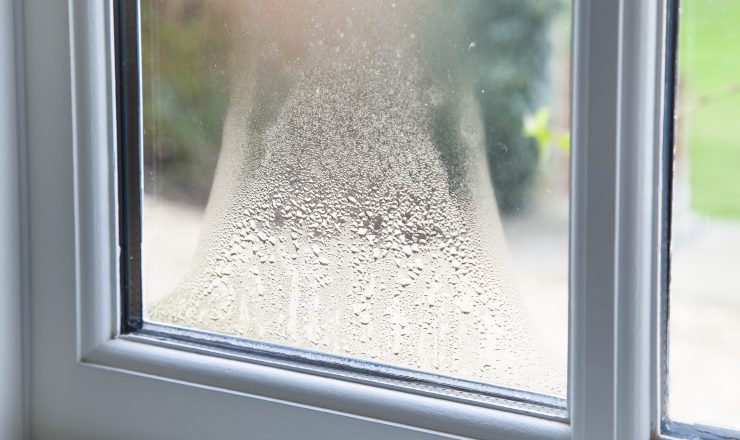
Foggy or Cloudy Glass
This condition frequently impacts insulated glass units due to seal failure, resulting in moisture caught in between panes.
Etched Glass
Unintended markings on the surface area that can happen from chemical direct exposure or abrasive cleaning.
Typical Glass Repair Techniques
When glass damage occurs, selecting the right repair technique is vital for maintaining aesthetic appeals and performance. Below are some typical approaches utilized in glass repair:
Polishing: This method is typically used for scratches and light etching. Polishing compounds can be applied to buff out superficial marks, making the glass surface area smooth and clear once again.
Resin Injection: For chips and small fractures, this strategy includes injecting a specialized resin into the broken area. As soon as cured, the resin hardens and offers additional strength while bring back transparency.
Clear Adhesive: In cases where a small piece of glass has broken off (like a mirror), a clear adhesive can be used to bond the piece back onto the primary body, provided the broken piece is still undamaged.
Replacement of Insulated Glass Units: This is the gold standard for foggy or cloudy glass. The entire glass system is eliminated, and a new, sealed unit is set up.
Safety Film Application: For windows that have actually sustained impact damage, applying a security film can strengthen the glass and prevent shattering if there is a subsequent effect.
When to Repair vs. Replace
Figuring out whether to repair or change damaged glass can be a challenging decision. Here are some elements to think about:
Repair
- Affordable: Repair can be considerably less costly than total replacement, specifically for small chips and scratches.
- Time-Saving: Many repair solutions can be finished rapidly, in some cases within hours.
- Conservation of Original Features: When repairing older glass, it may be very important to preserve the initial materials and attributes.
Change
- Degree of Damage: If the glass is severely shattered or compromised, replacement might be the only viable choice.
- Enhance Energy Efficiency: Older windows may do not have contemporary insulation abilities. Replacing them can improve energy performance, saving expenses in the long run.
- Safety Concerns: Shattered glass poses a safety threat. Replacement ensures that all safety standards are satisfied.
Relative Table: Repair vs. Replace
Requirements
Repair
Replace
Cost
Typically lower
Normally greater
Time
Quick turn-around
More lengthy
Damage Severity
Best for minor issues
Best for comprehensive damage
Preservation
Initial functions intact
New functions, less historic context
Security
Returns glass to usability
Makes sure security compliance
Tips for Homeowners
To prevent requiring regular glass repairs, property owners can take proactive procedures:
Regular Inspections: A routine check on glass features around the home can help capture small issues before they intensify.
Use Proper Cleaning Materials: Avoid abrasive cleaners and tools that can scratch glass. Usage microfiber fabrics and authorized cleaning solutions.
Install Protective Films: For areas susceptible to effects, installing protective movies can substantially lower the opportunities of damage.
Temperature Regulation: Especially for windows, keeping a steady temperature level helps to avoid stress fractures triggered by fast temperature changes.
Professional Installation: Whenever possible, work with experts for installation to guarantee that glass is fitted appropriately and safely.
Often Asked Questions (FAQs)
1. How much does glass repair normally cost?
The cost of glass repair differs widely based upon the kind of damage and the particular method utilized. Minor chip repairs may cost around ₤ 50-100, while larger repairs or replacements can run into the hundreds or thousands.
2. Can I perform glass repairs myself?
Some minor repairs can be DIY, such as polishing or utilizing resin for chips. Nevertheless, it is advisable to consult professionals for extreme damage or complex installations.
3. How long does a glass repair take?
The time needed for a repair can vary based upon the method and level of damage however typically ranges from a couple of hours to a number of days.
4. What should Condensation Inside Double Glazing do if my window shatters?
If a window shatters, make sure security first by using protective equipment, eliminating sharp shards, and calling a professional for correct removal and replacement.
5. Is it safe to drive with a split windshield?
Driving with a broken windscreen can be hazardous, jeopardizing presence and the automobile's structural stability. It is suggested to address any windshield damage as soon as possible.
Glass repair is a vital element of preserving both the aesthetic and practical worths of glass functions in homes and services. Comprehending the types of damage, repair choices, and understanding when to repair or change can save house owners time and cash while making sure safety and longevity. With correct care and diligence, the appeal and utility of glass can be preserved for several years to come.